Greg Dulli Interviewed by Zane Lowe
I see Greg’s name, I click.
Bytes that get stuck in your teeth.
I see Greg’s name, I click.
I’m back on my learning guitar jag. This set of theory videos is great.
Handy to connect your listening history to an LLM to generate some custom playlists.
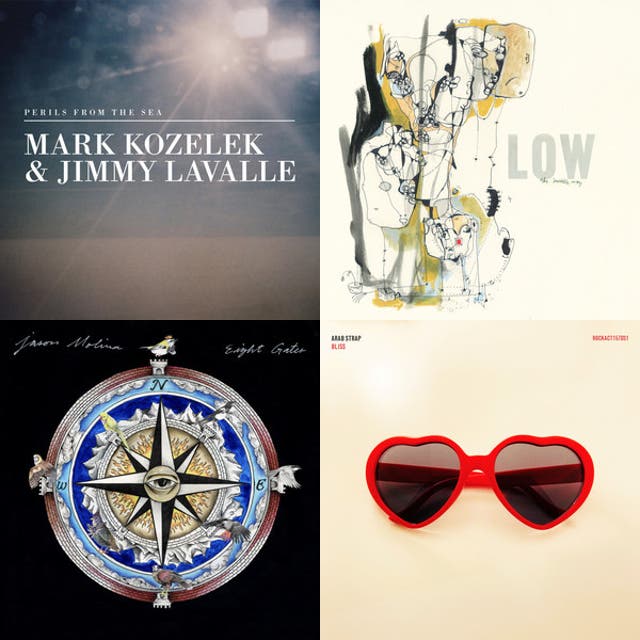
Here is the 2024 edition of my yearly Spotify playlist.
You can also check out my previous editions.
And here is my Last.fm listening report for the year.
One feature Apple Music has that Spotify doesn’t is Smart Playlists. They are handy for honing in on favourite tracks for specific artists or genres.
I knocked up this smart playlist that I shuffle to unearth underappreciated tracks in my library.
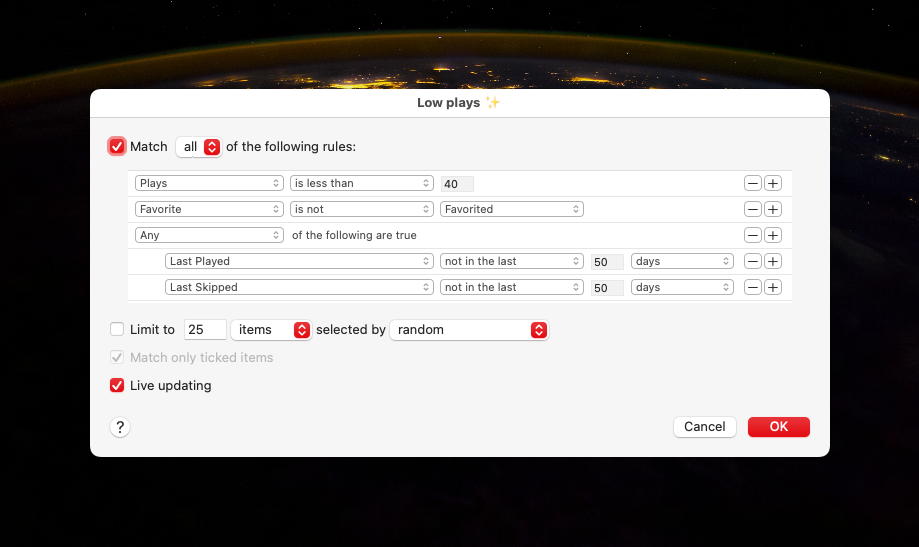
It’s been throwing up some good gear.
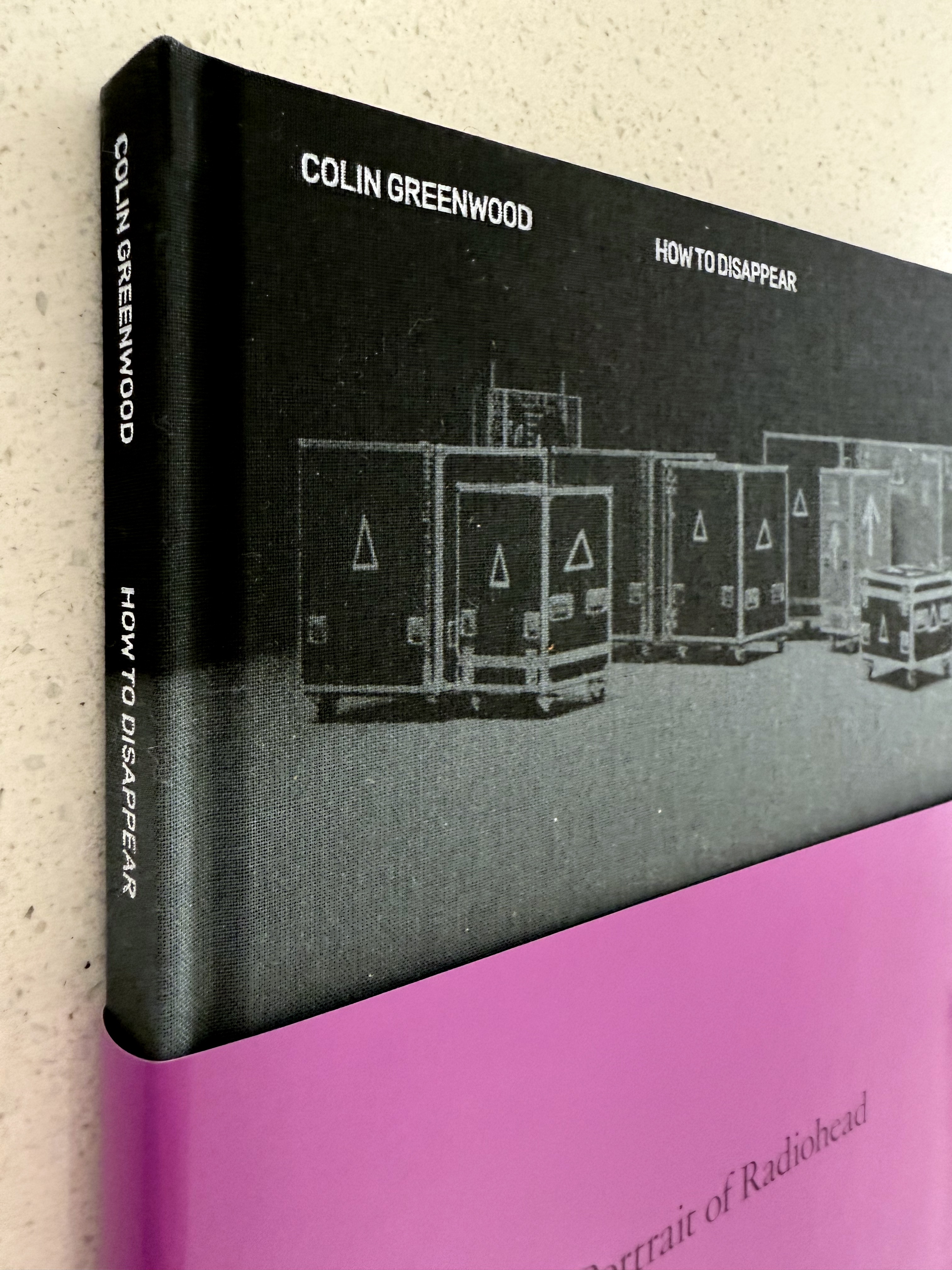
I’m working on reading more photography books.
So, yesterday, I grabbed Colin Greenwood’s How to Disappear while I was out and about1.
Colin gets some great candids of the recording and touring experience.
His collection of photos is another ode to the power of a plastic Yashica T4.
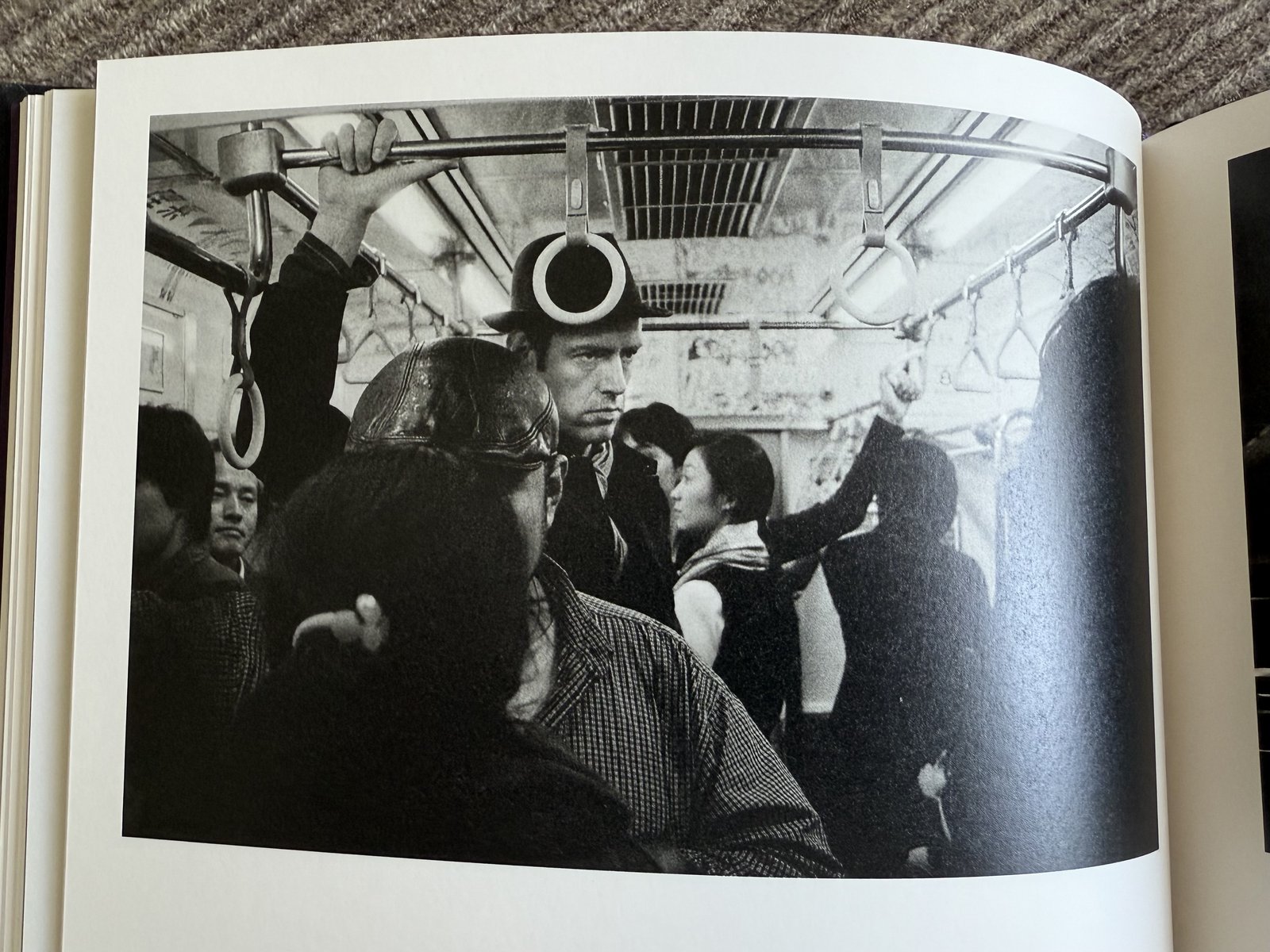
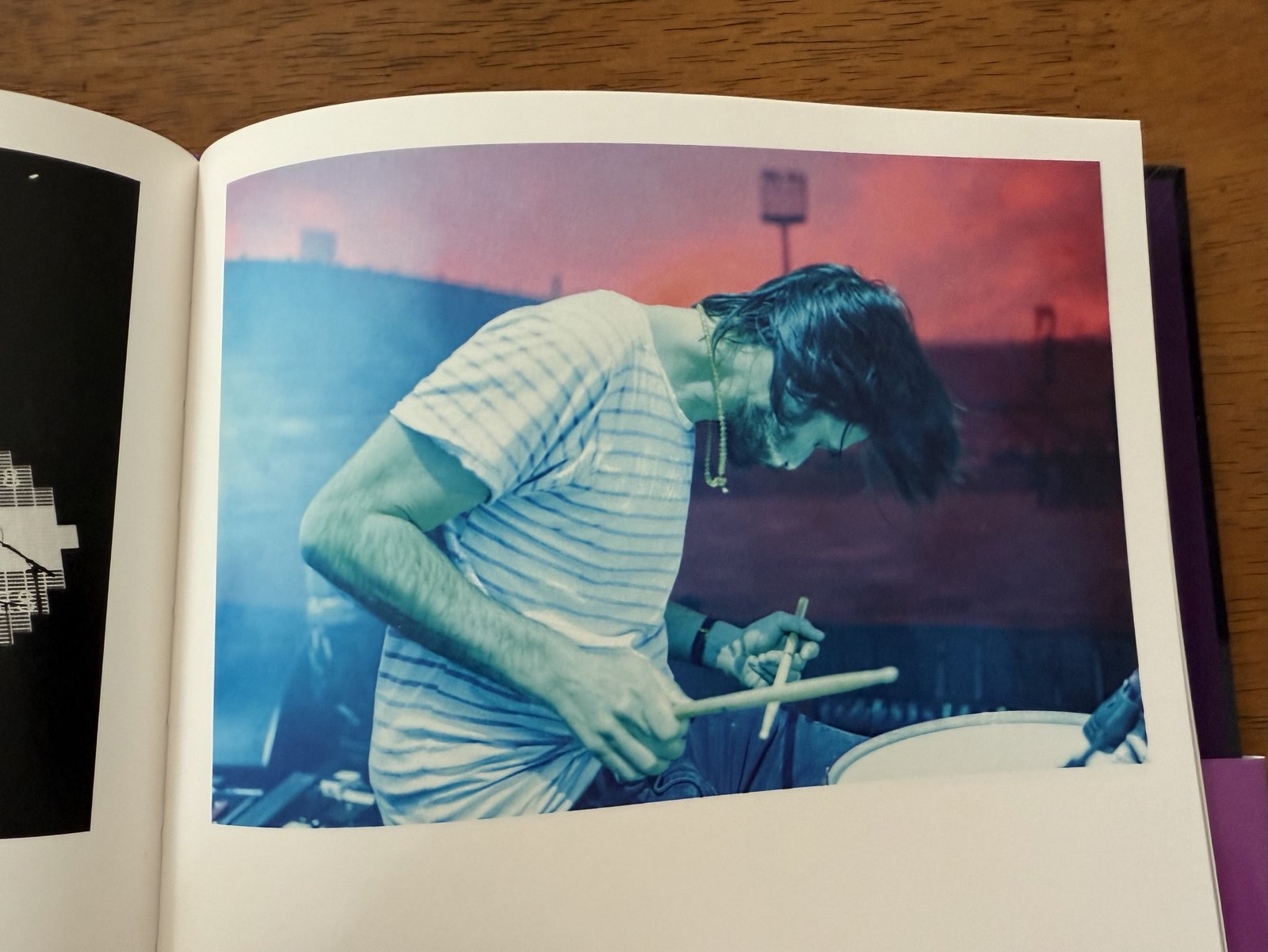
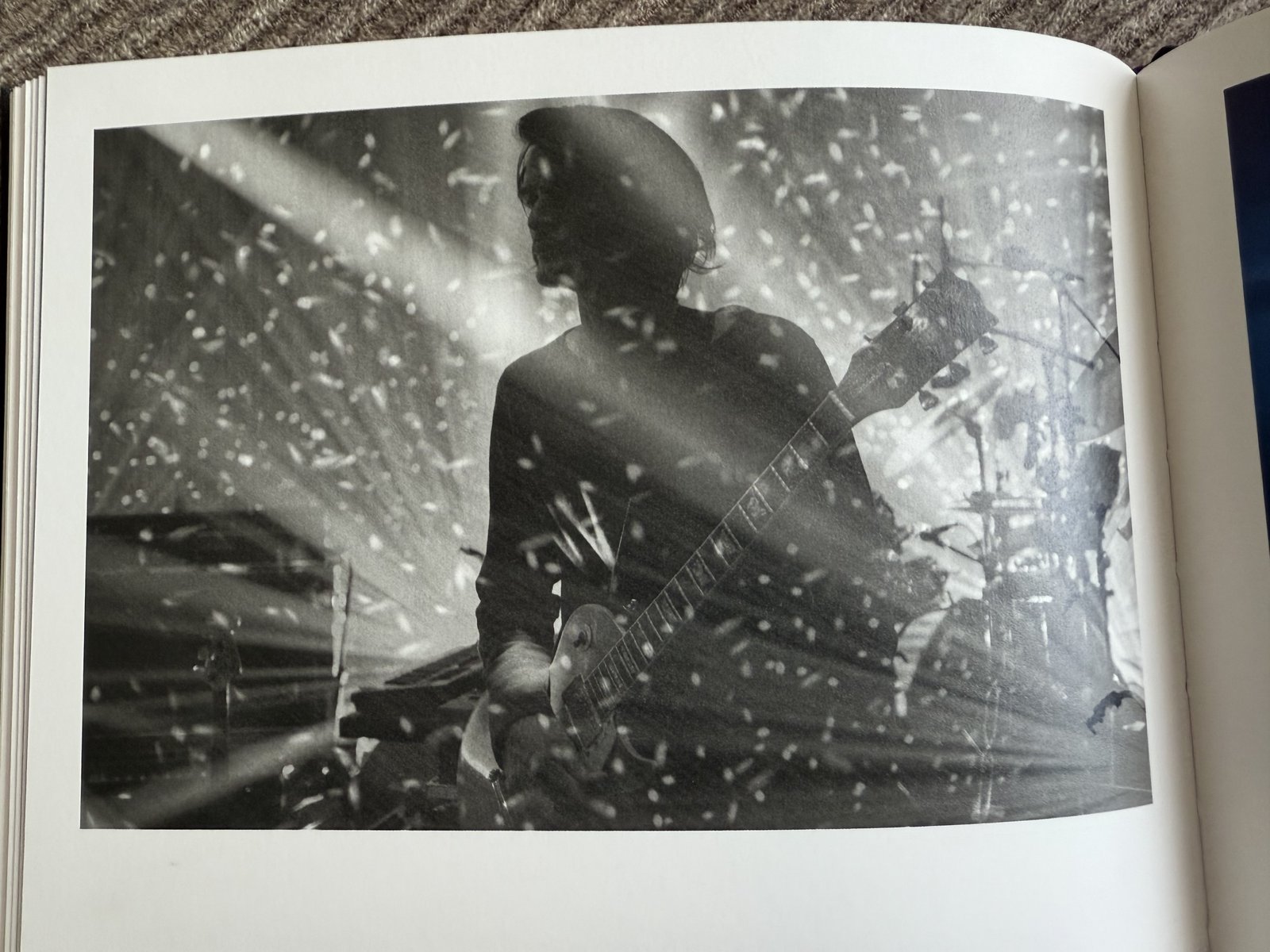
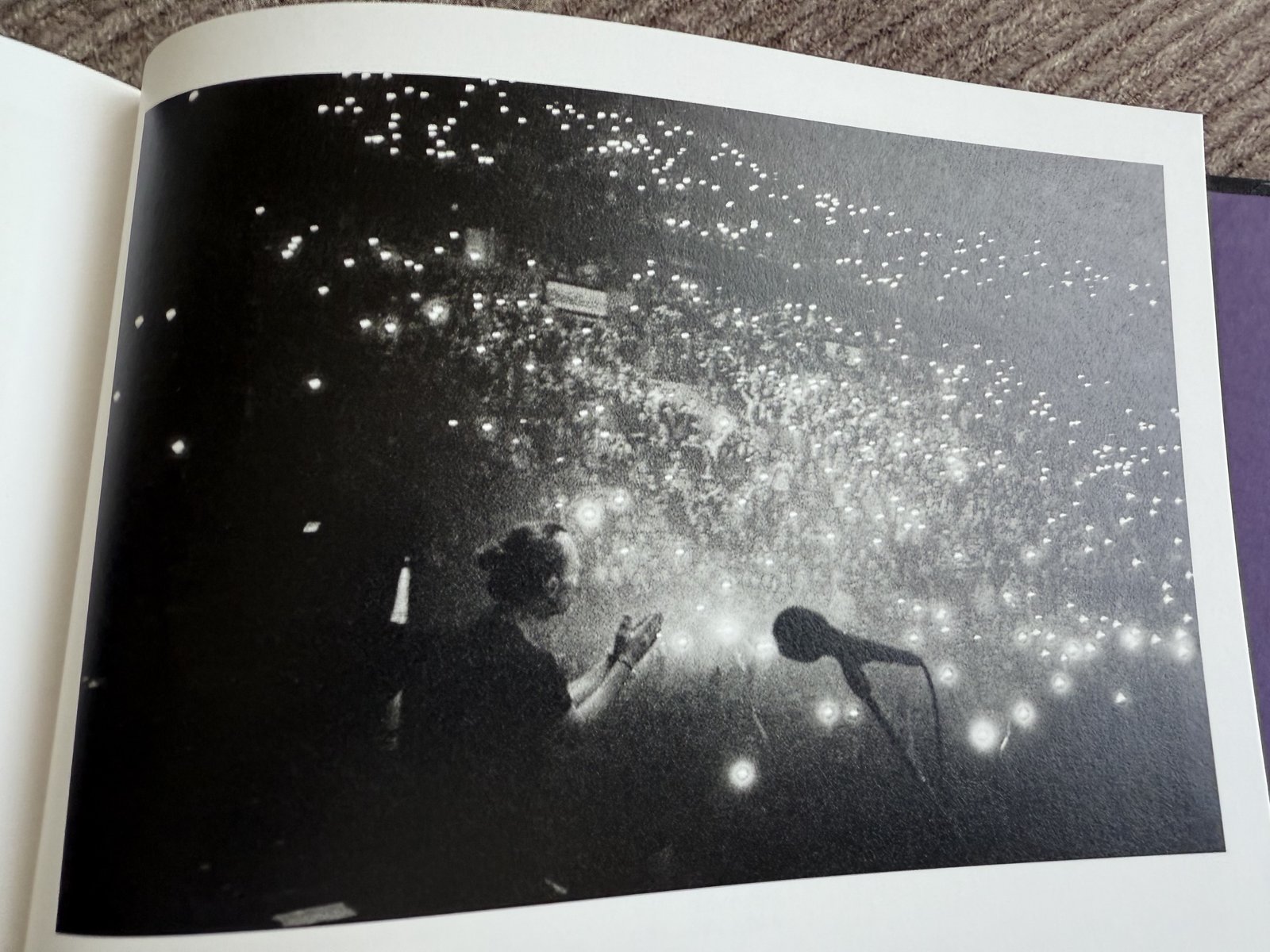
Combining Radiohead and photography is catnip for me. ↩︎
I’ve used this a few times now and it’s pretty ace.
Six hours of SG lore for all you Knights of the Soundtable.

I make a new Spotify playlist at the beginning of every year, and I keep adding songs I enjoy throughout the year.
Now that it’s September the 2023 edition is nice and ripe.
Rick Beato is building an archive of interviews with some legendary musicians.
I’d listen to either of these blokes read the phone book.
They go deep and I’m here for it.
the most canonical paths across the shared surface of the world’s music, starting at the point of some particular artist and going…outward, every other direction at once.
I’ve enjoyed the playlists generated by this so far.
Butch talking through his recording process on Smashing Pumpkins albums and Nirvana’s Nevermind.
Ian Leslie:
Paul McCartney has been writing and performing music more or less continuously since 1956. That’s sixty-four years.
I still like listening to albums and sometimes want Spotify to play a random album from a playlist of albums I’ve created.
I couldn’t find anything out there that does this so I wrote myself a script to handle it instead.
Here’s a rundown if you want to use it.
First up, you’ll need a playlist with at least one track from each of the albums you want to choose from (here’s mine). Grab the ID of your playlist1, and your username and add them into the script below.
Then, you’ll need to create an app in Spotify and get your client ID and secret, add them to the script below, so you can authorise the script.
Finally, run gem install rspotify in your default ruby2 and you should be off to the races.
Run the script with Spotify desktop app installed and it’ll open up a random album for you to press that sweet, sweet play button on ⏯.
I run the script from an Alfred workflow so I’ve got it close at hand.
Enjoy 🎷🎶
#!/usr/bin/env ruby
#/ Usage: open-random-album
#/ Open a random album in Spotify.
#/

require "rspotify"

class RandomAlbum
  CLIENT_ID = "YOUR CLIENT ID"
  CLIENT_SECRET = "YOUR CLIENT SECRET"
  USERNAME = "YOUR USERNAME"
  PLAYLIST_ID = "YOUR PLAYLIST'S ID"

  def self.fetch
    RSpotify.authenticate(CLIENT_ID, CLIENT_SECRET)
    new.fetch
  end

  # Grab the albums from a playlist and choose one at random
  def fetch
    playlist = RSpotify::Playlist.find(USERNAME, PLAYLIST_ID)
    albums_in_playlist(playlist).sample
  end

  private

  def tracks_in_playlist(playlist)
    limit = 100
    offset = 0

    [].tap do |result|
      loop do
        tracks = playlist.tracks(limit: limit, offset: offset)

        break if tracks.empty?

        result.concat(tracks)
        offset += limit
      end
    end
  end

  def albums_in_playlist(playlist)
    tracks = tracks_in_playlist(playlist)
    tracks.reduce({}) do |acc, track|
      acc[track.album.id] = track.album
      acc
    end.values
  end
end

album = RandomAlbum.fetch

puts "Opening '#{album.name}' in Spotify"
system "open #{album.uri}"
A look behind the curtain with Nick Cave.
🎸
Seeya Chris 😢
Killer drumming.
Chris, Andy, and Greg 😍
Nick:
That’s my advice if anything terrible ever happens to you: Form a band and go on tour.
Goosebumps.
💘
Getting my guitar back on.
First time played live in seven years.
Music makes repetitive tasks more enjoyable.
Alex Heath:
During internal testing, his team realized that if you don’t recognize a single artist in a playlist, you might question if it’s actually geared for you. That’s why the playlist is intended to have a mix of mostly new tracks with a few songs you’ve heard before.
“There’s something compelling about this humans versus robots narrative: a lovingly curated playlist versus an algorithm screwing up your sexy time,” says Ogle. “That whole distinction no longer really describes how we work. Discover Weekly is humans all the way down. Every single track that appears in Discover Weekly is because other humans being have said, ‘Hey this is a good song, and here’s why.’”
My Discover Weekly playlist has been hitting the spot and it’s interesting to get an insight into how they are put together.
Although Spotify has had humans making playlists for years, its efforts got a major boost last year with the introduction of Truffle Pig, an internal tool from The Echo Nest that breaks music down into thousands of categories like “wonky,” “chillwave,” “stomp and holler,” or “downtempo."
What you hear from everyone at Spotify is that humans using data insights are key to curating music on a large scale. Naturally, they’re also using data to evaluate how well playlists are working.
An example of data-centric tools aiding human decision makers.